Ceramic Facades That Help Clean the Air
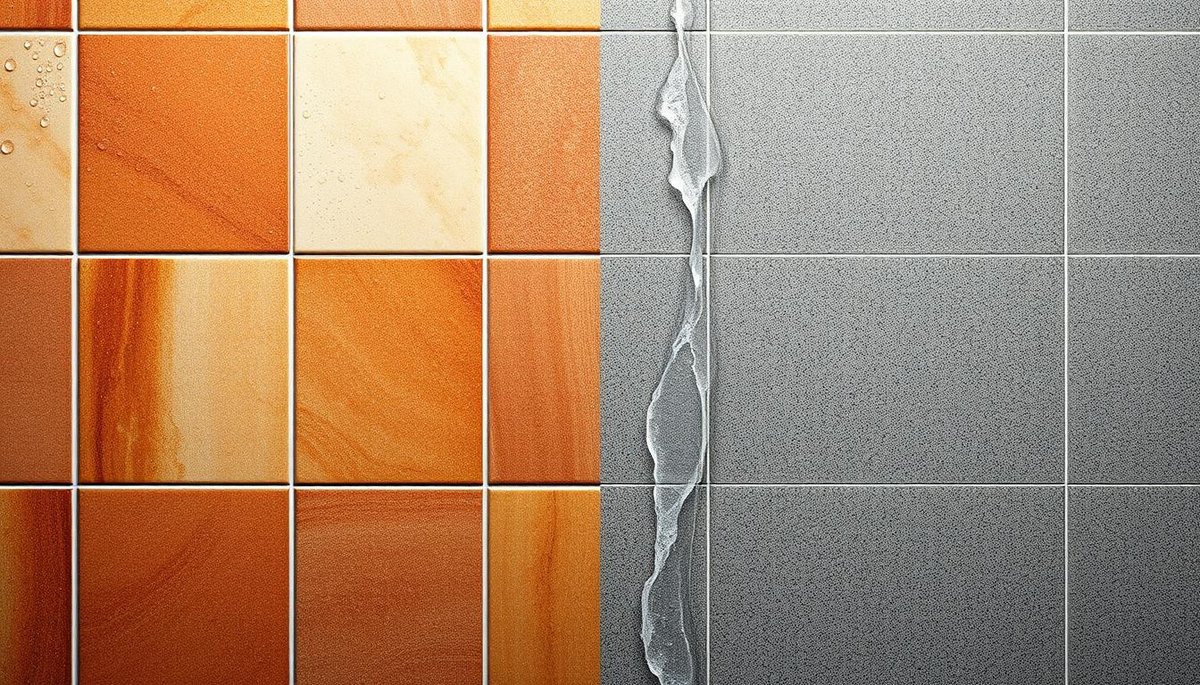
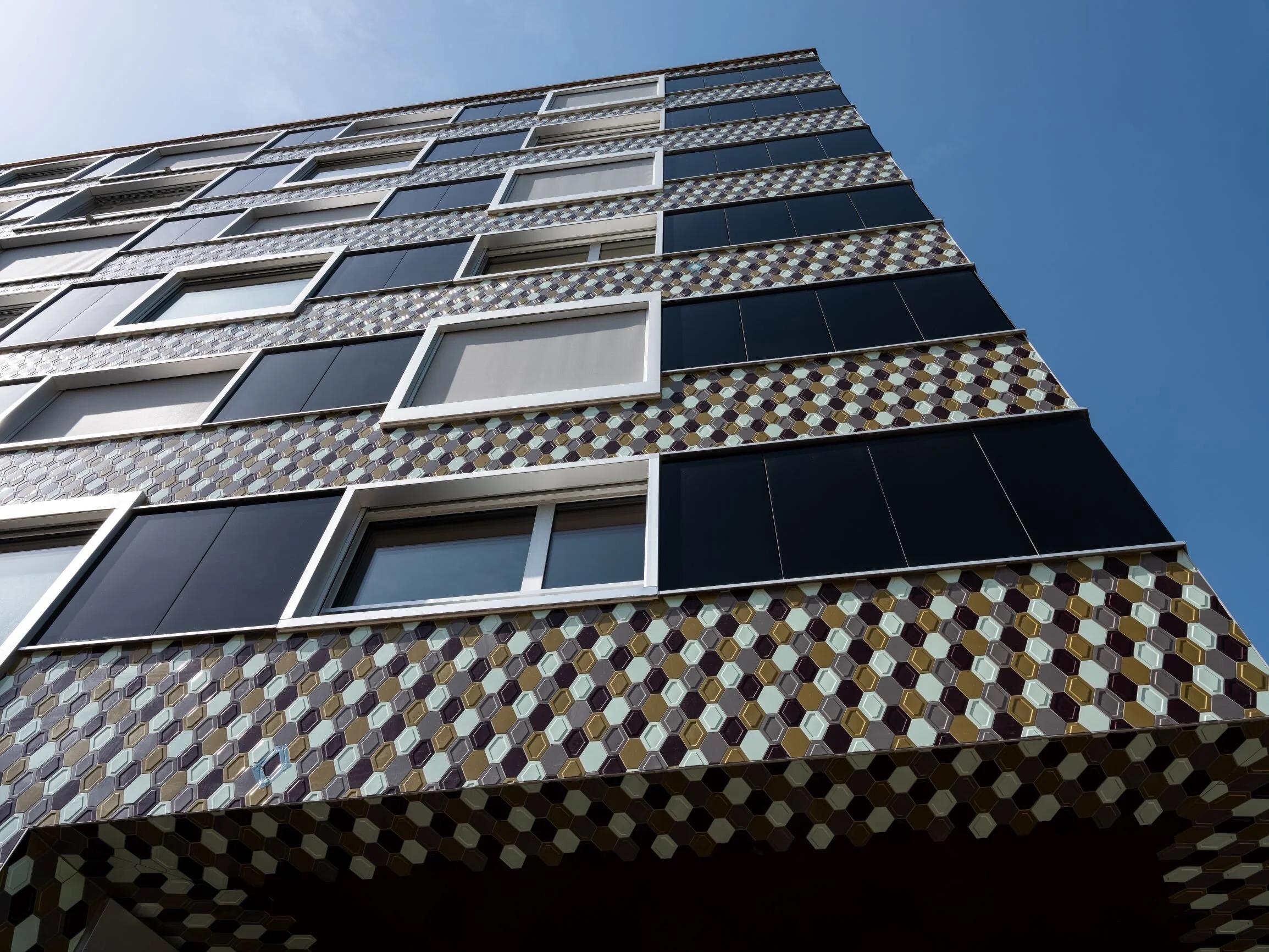
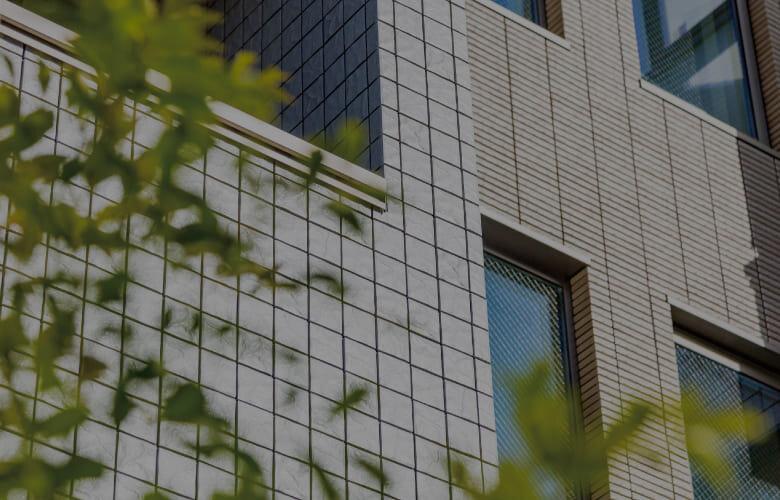
Some ceramic tiles can be treated with a layer containing titanium dioxide. When exposed to light, this surface starts a photocatalytic reaction that helps break down certain pollutants and organic materials. It can also help water spread beneath dirt, allowing rain to wash the facade more easily. These tiles are useful for hospitals, schools and buildings on busy streets because they keep facades looking cleaner for longer and may reduce repeated washing and chemical cleaning.
Ceramic Roof Tiles That Turn Roofs into Energy Sources
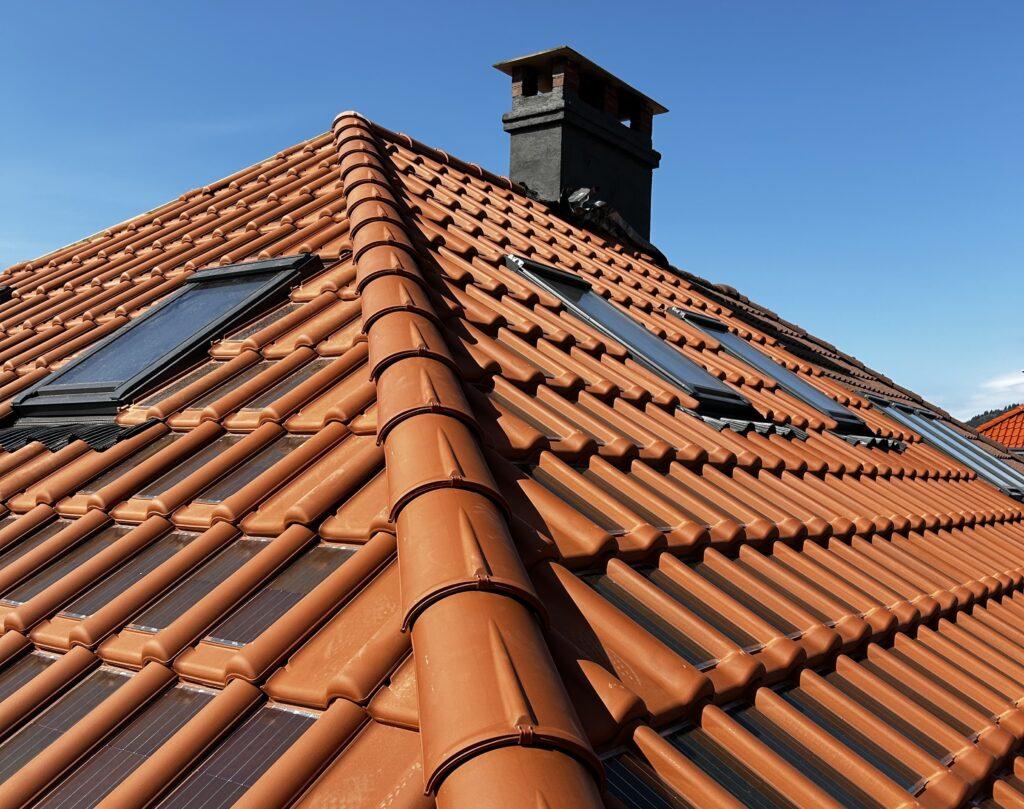
Instead of installing large solar panels over a roof, photovoltaic cells can be integrated directly into ceramic roof tiles. These units preserve the traditional appearance of the roof while capturing sunlight and converting it into electricity for the building. This approach can bring solar energy to villas, hotels and heritage-style buildings without significantly changing their architectural character. In these projects, the roof becomes part of the energy production system rather than only a protective cover.